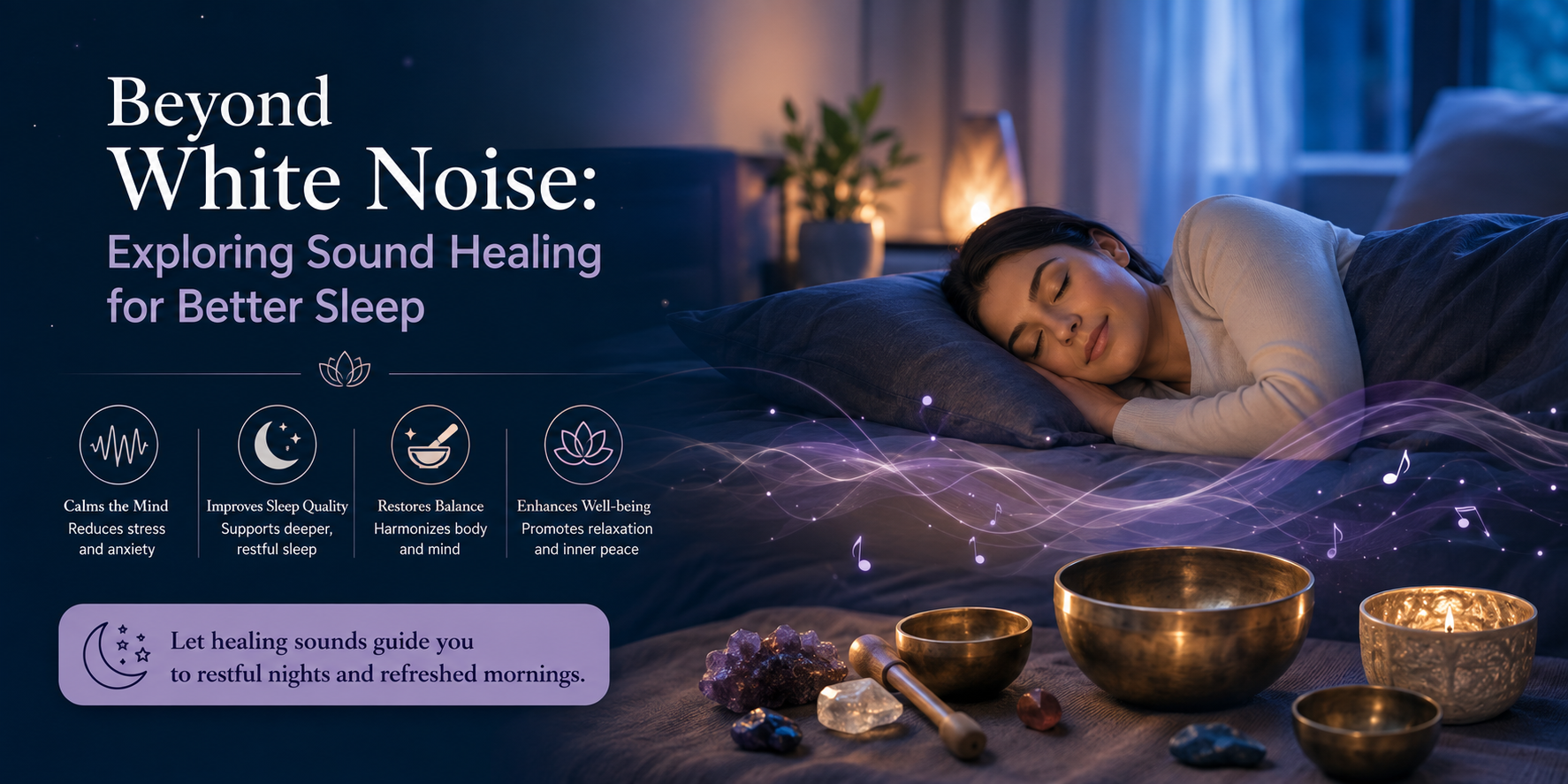
Beyond White Noise: Exploring Sound Healing for Better Sleep
Sleeping well doesn’t always start at bedtime. Going from the hustle of the day to a good night’s sleep is not easy for many. It’s hard to slow down when we’re working, watching screens, getting notifications and having responsibilities. This has prompted many to try out soothing techniques that can be incorporated into their relaxing sleep routine. One of these is the use of sound healing for better sleep, which is considered a mild method of preparing a calm atmosphere for sleep.
When using sound healing, the sound is not just background noise but intended to be a listening experience that is grounded in a state of relaxation and mindfulness.
What is Sound Healing?
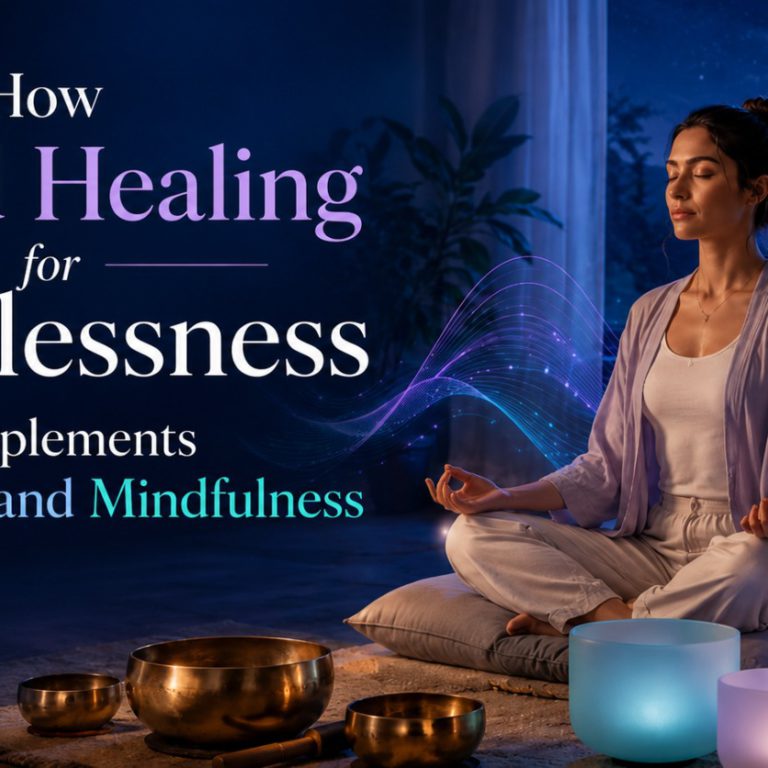
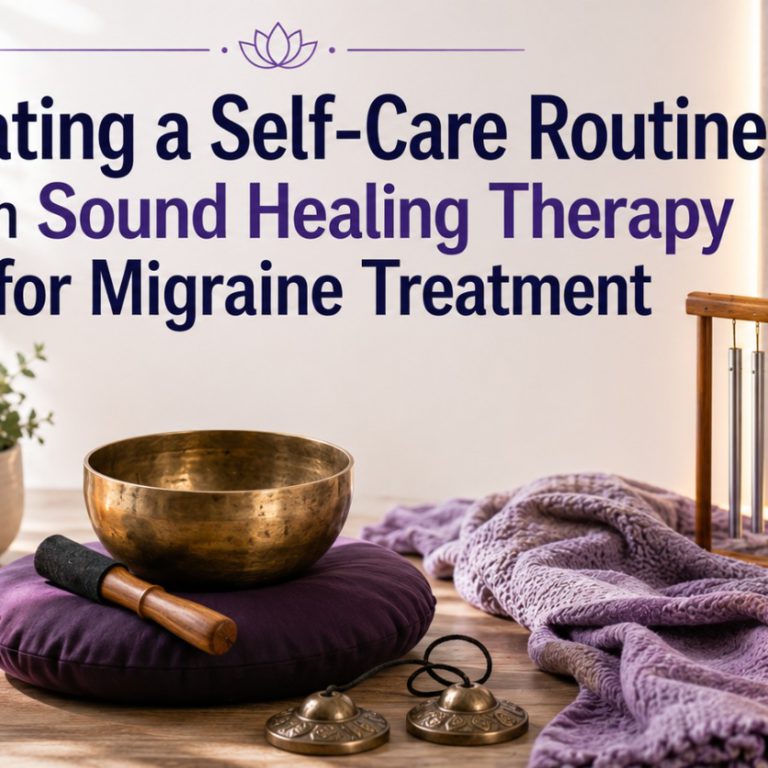
White noise typically is used for masking other sounds, and for providing a steady background noise. Other forms of sound healing for better sleep can include instruments and tones like singing bowls, gongs, chimes, or other resonant sounds.
It’s not always just about listening to noise, but it’s also about giving yourself time to just pause and become present. Variations in sounds and vibrations can help to shift people’s focus away from the day’s distractions, and into a more peaceful sensory experience.
It’s fascinating to be able to use sound as a therapeutic tool for sleeping better, as part of a nighttime routine.
To design a transition from an activity to rest
Bed-time might be hard because the mind doesn’t shut down quite as easily as the body does. When you jump right into bed from work or scrolling or household chores, it can leave little time for transitions.
This is where a sound healing session can help. When you sit comfortably, close your eyes and listen to calming music, you can take a break from your busy life.
With time, it is possible to establish a new habit of relaxing regularly at night to make it easier to connect relaxing activities with going to bed.
Exploring Sound Healing With Bliss Square
If you’re interested in relaxing with sounds in a guided space, you can enjoy wellness sessions at Bliss Square, where you will find a place to “slow down” and reconnect with relaxation.
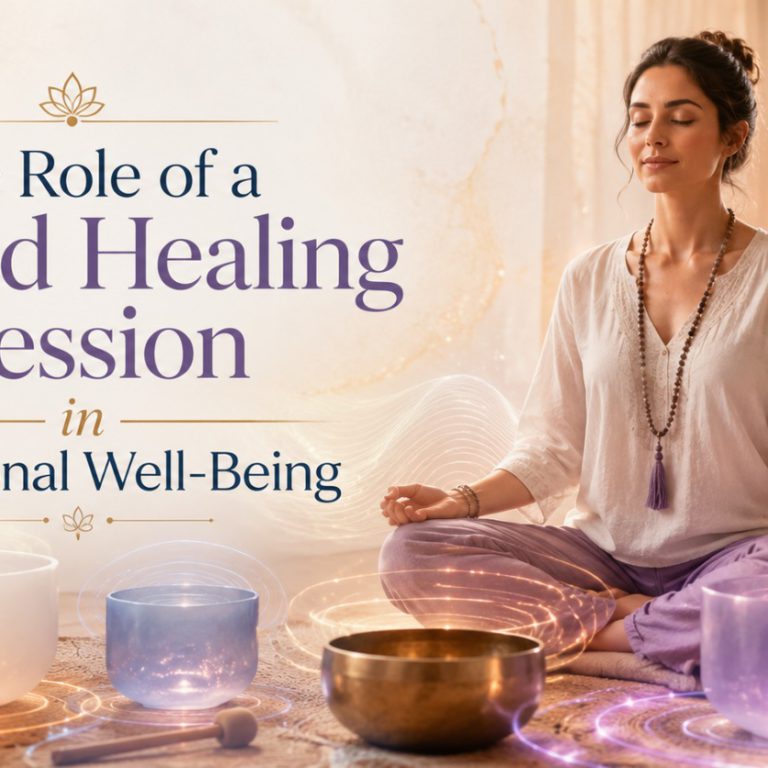
A Bliss Square sound healing session can provide the individual with time out from distractions. Participants are not required to make an effort to fall asleep; they can just concentrate on listening to the sounds, their breathing, and the here and now.
This experience can be particularly attractive to those who wish to add a relaxing mindful evening practice to their evening routine. It can also provide them with ideas and methods that they will be able to use in their overall wellness plan.
Making a sound part of your nighttime routine
Consistency and personal preference are key to the effectiveness of any bedtime practice. Other simple steps, including cutting back on screen time before going to bed, having a comfortable bedroom, gentle breathing, and sticking to a sleep routine, can be combined with sound healing.
Also, keep in mind that sound healing is considered to be a wellness and relaxation treatment, not necessarily a sleep remedy.
Conclusion
The transition from white noise to something more meaningful can be a great way to begin transitioning in the relaxation of the evening. Sleep is a time for pause, listen and calm down from the hustle and bustle of the day to the rest of the night; sound healing for better sleep is a place to offer this opportunity.
People can use guided experiences like Bliss Square to learn more about sound and how that can be part of a relaxation routine and to see what works for them to help them feel more relaxed before sleep. In the end, providing space for rest and relaxation can be as crucial as setting up the physical area for sleep.