How Sound Healing for Sleeplessness Complements Meditation and Mindfulness
Sleeping well is considered to be one of the key pillars of sound health and a bliss full life. Besides, physical relaxation after a tiring day, it also gives us the mental clarity. But some find it hard to relax following a hectic day, thereby making sound sleep nothing less than a luxury! This is why natural wellness practices are becoming popular because of their calming effects. Of these, sound healing for sleeplessness has become one of the more holistic solutions that are effective when combined with meditation and mindfulness practices to induce relaxation and promote sleep.
Let’s Delve Into the Principles of Sound Healing, Meditation and Mindfulness.
In essence, the philosophy of meditation and mindfulness entails bringing one’s awareness to the present moment and reducing the number of distractions in the mind. The practices are designed to increase both awareness of thoughts and take them in without reacting.
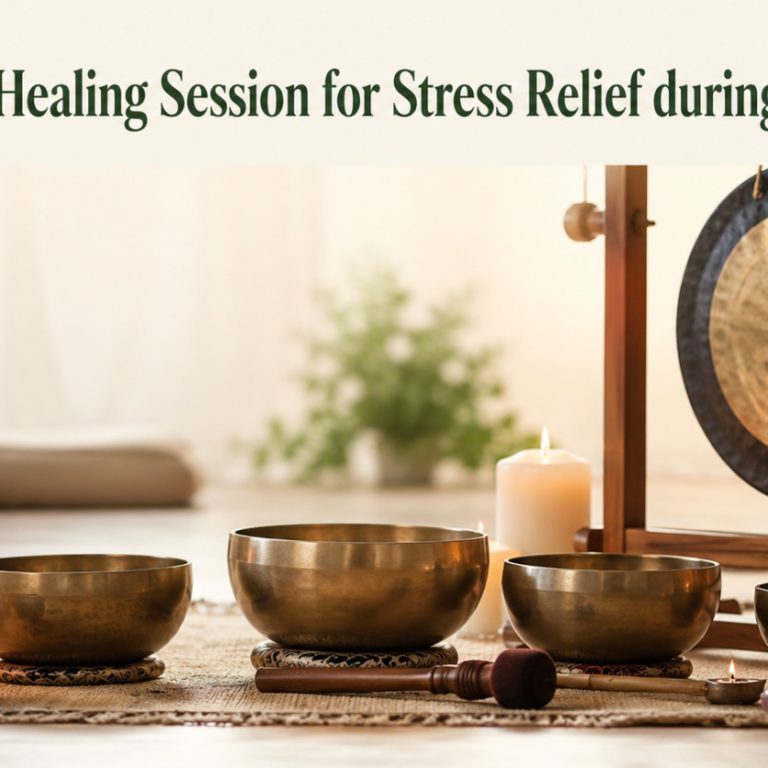
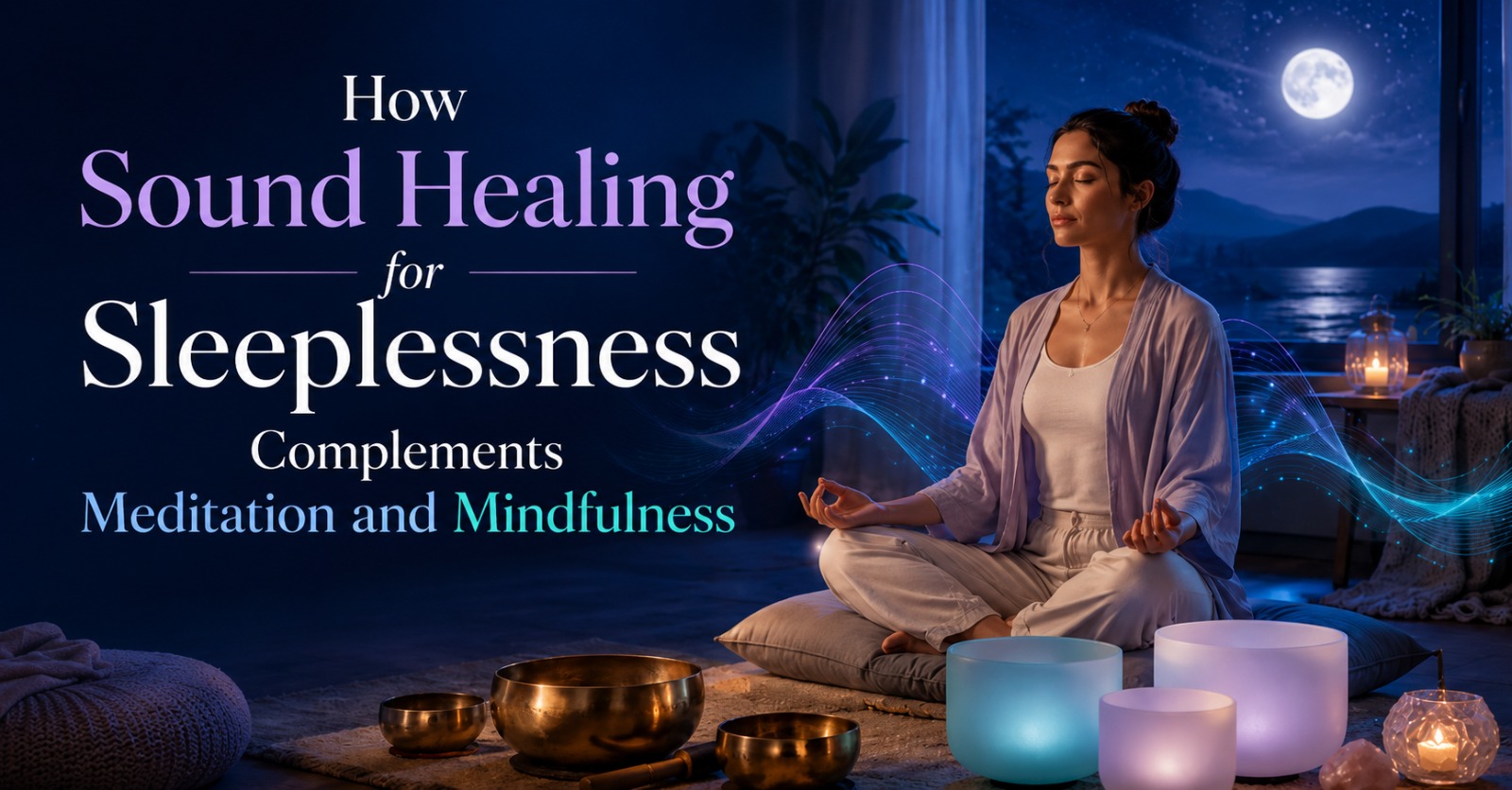
Likewise, the healing with sound therapy for insomnia involves playing gentle and calming music along with the vibrations of instruments like singing bowls, chimes, tuning forks, and gongs to create a peaceful atmosphere. These practices helps to relax the body and calm the mind to sleep.
How Sound Healing Enhances Meditation
Encourages Deeper Relaxation
It can be challenging for many beginners to avoid their minds from going off on tangents during meditation. Soothing frequencies of sound add another focus for relaxation, helping to release racing thoughts. Add meditation with sound healing for insomnia and it can help one relax more naturally.
Develops focus during practices
The internal and external world of thoughts usually distracts the mind while meditating. The calming music employed in sound healing promotes continuous focus, enabling the participants to be present during the practice. This heightened focus can help to make meditation more potent and pleasurable.
Supporting Mindfulness Before Bedtime
There is a cognitive emphasis on being mindful and non-judgemental with thoughts. Establish a habit of using mindfulness before going to bed which will diminish ruminating about things that happened in the day or things that may happen in the future.
Combining sound healing with sleeplessness to a bedtime mindfulness experience creates a peaceful ambiance that fosters emotional calm. Mindful breathing and listening to therapeutic sounds can help you unwind from a hectic day to a sleepful night.
Helping Calm an Overactive Mind
The biggest problem with getting a good night’s sleep is a busy mind. In an overstressed world with ever more things to do and a tsunami of electronic stimulation, it can be hard to take a break before we go to sleep.
The calming effects of sound healing for sleep can help unwind the body and distract from stressing thoughts. This relaxing experience can help people feel more ready for sleep, when paired with meditation and mindful breathing.
Building a Consistent Nighttime Routine
Perhaps the best way to form healthy sleeping habits is through consistency. Sleeping well could be achieved through a relaxing routine which involves meditation, mindfulness, and sound healing for insomnia.
Simple strategies like reducing the light level in the room, switching to a lower screen level, using deep breathing techniques and listening to relaxing music every night can help create a more calm environment and further enhance sleep hygiene over time.
Conclusion
Meditation and Mindfulness are known practices to calm and manage stress. They form a complete relaxation program along with good sleep remedies, which help maintain mental health and sleep. This all-in-one solution is a mild and natural option to relax after a long day, although it will have different effects on different people. These are all a part of a healthy sleep routine and healthy lifestyle that can help you establish a calming routine before bedtime and getting up feeling rejuvenated and prepared for the day.