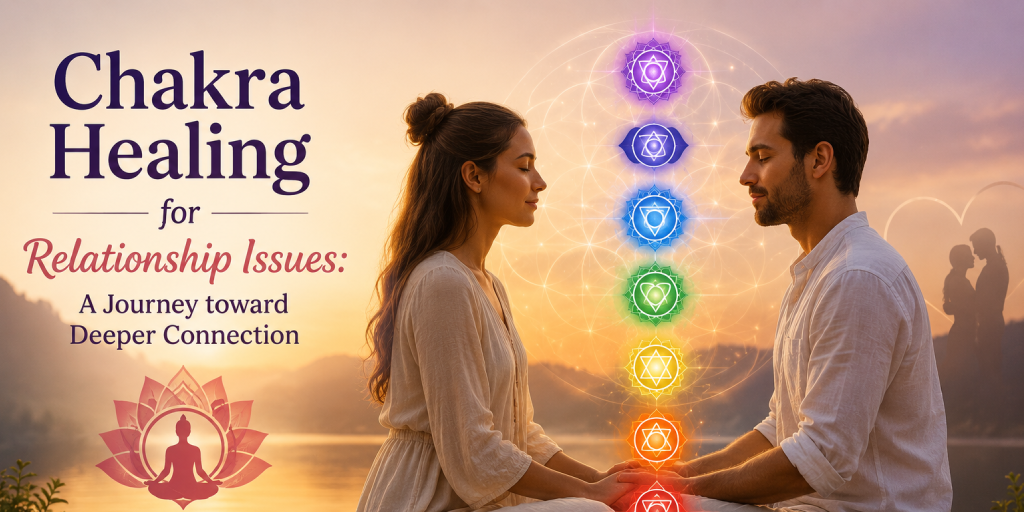
Chakra Healing for Relationship Issues: A Journey toward Deeper Connection
While relationships can be very fulfilling, there can be a lot of emotional tension, misunderstandings, insecurities, and moments of disconnect as well. The time when communication can be difficult or feelings are not resolved can trigger the desire to reconnect with oneself and one’s partner. Chakra healing for relationship issues is a holistic approach that emphasizes the balance and harmony within the individual, fostering emotional awareness and promoting a more tranquil environment for relationships.
Understanding the Energy behind Emotional Connection
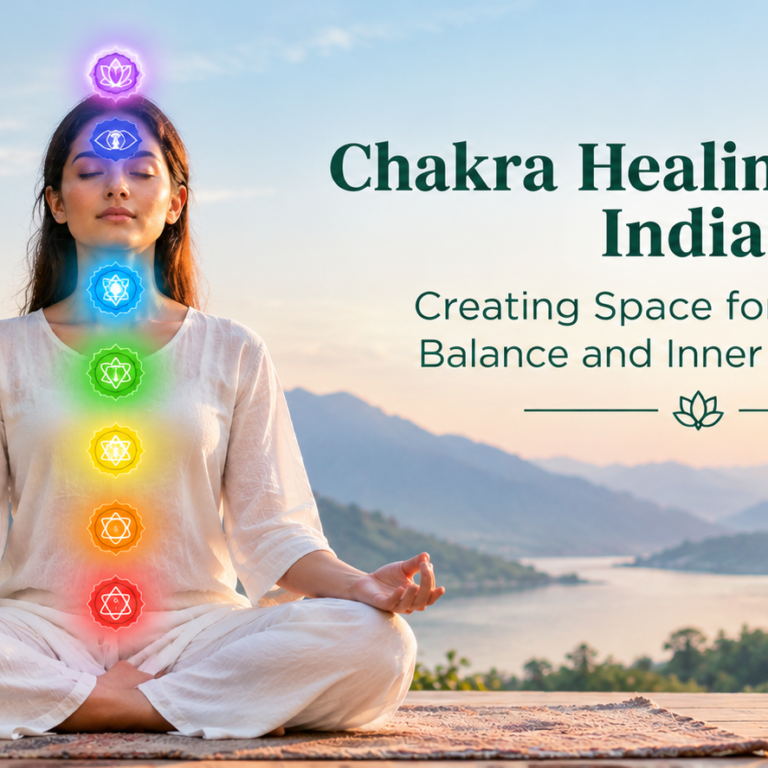
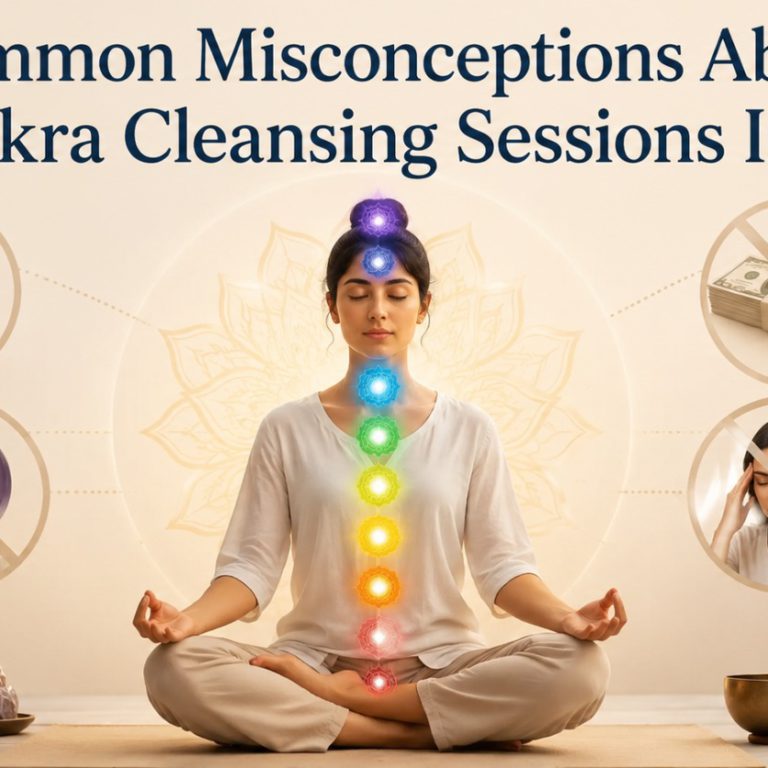
Chakras are thought to be energy centres linked to various physical, emotional and spiritual facets of life. In chakra-based wellness practices, an imbalance is sometimes felt to be related to feelings of fear, emotional weightiness, insecurity, and lack of self-expression.
Chakra practices often help people to think about their own relationship problems rather than the behaviours of the other person. This may provide a chance to acknowledge individual emotions, patterns and expectations that could impact on how they communicate and react.
The Heart Chakra and the Language of Connection
Heart chakra is connected to love, compassion, forgiveness and emotional openness. If the relationship gets strained, spend time on chakra practices that involve the heart and emotions. If the relationship is a bit strained, take time to reflect on practices for the heart chakra.
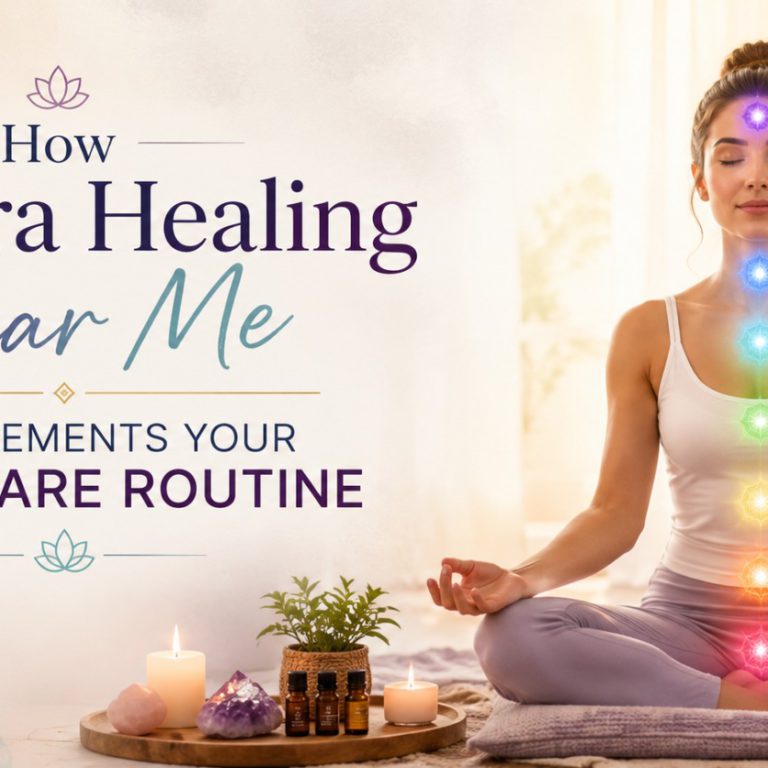
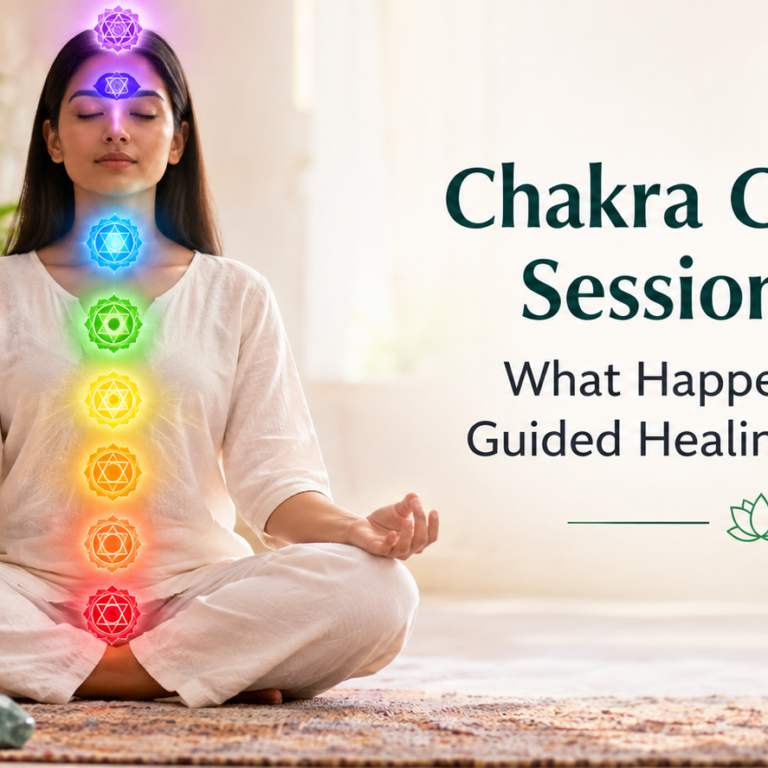
A session can include some energy work such as meditation, breath work, visualization, gentle movement and more. The goal is not to alter someone’s emotions, but to bring their own awareness and emotional state to a more calm state.
This self-reflection is one of the reasons that chakra healing is valuable for people trying to find a holistic way of improving their wellbeing in relation to their own personal relationships.
Creating Space for Better Communication
Affection is not enough to create healthy relationships. They also rely on listening, honesty, setting boundaries and respectfully expressing feelings. Sometimes, when one feels overwhelmed, their response may be instant rather than thought-out.
A few moments of pause can be encouraged through chakra focused relaxation. Sometimes a quiet meditation or a guided breathing exercise can help to tune into one’s feelings prior to reacting. This awareness can over time facilitate more conscious communication and an increased understanding of one’s self and emotional patterns.
Healing Begins With Self-Reflection
In a relationship, you don’t need to resolve every conflict! At times, it starts with knowing oneself and how one reacts. If you are having relationship problems, chakra healing can give you a frame of reference to discuss emotional feelings like attachment, fear, resentment or inability to trust.
Traditionally the throat chakra is associated with the ability to communicate and express oneself, and the heart chakra is associated with compassion and open emotions. It can be helpful to explore these connections and to consider where there might be an emotional blockage or lack of being heard.
A Journey, Not an Instant Solution
It must be noted that chakra healing is not a solution to all problems, but it may serve as an additional treatment. It can’t take the place of an honest conversation, professional counseling or mental health interventions when they are required.
Rather it can be integrated into a larger personal well-being regimen such as meditation, journaling, conscious breathing, and introspection. The healing of the chakras for relationships is an inward journey and an awareness of the emotional state.
Once people feel more at ease with their emotions, they could be more likely to listen to, communicate with, and relate to other people. Sometimes the first step towards a healthier relationship starts with the changes that you make to yourself.
Conclusion
Chakra healing for relationship issues offers a gentle path toward self-awareness, emotional balance, and deeper connection. It does not substitute communication and counseling but serves as an additional approach that helps to grow personally through reflection and compassion. Knowing yourself better may help you have better relationships.